

J1772 Connector Explained: Is Your EV Compatible?
If you have researched Level 2 EV chargers, you have encountered the term J1772 repeatedly. It is the connector standard that makes home EV charging work in North America — the physical and electrical specification that ensures any compliant charger works with any compliant vehicle. Understanding what J1772 is, how it functions, and which vehicles use it answers the most common compatibility questions before purchase.
What Is the J1772 Connector?
J1772 — formally SAE J1772 — is a connector standard developed by SAE International (the Society of Automotive Engineers) that defines the physical plug shape, pin layout, electrical ratings, and communication protocol for AC electric vehicle charging in North America. It was originally published in 2001, significantly revised in 2009, and has been the mandatory AC charging standard for all EVs sold in North America since 2010.
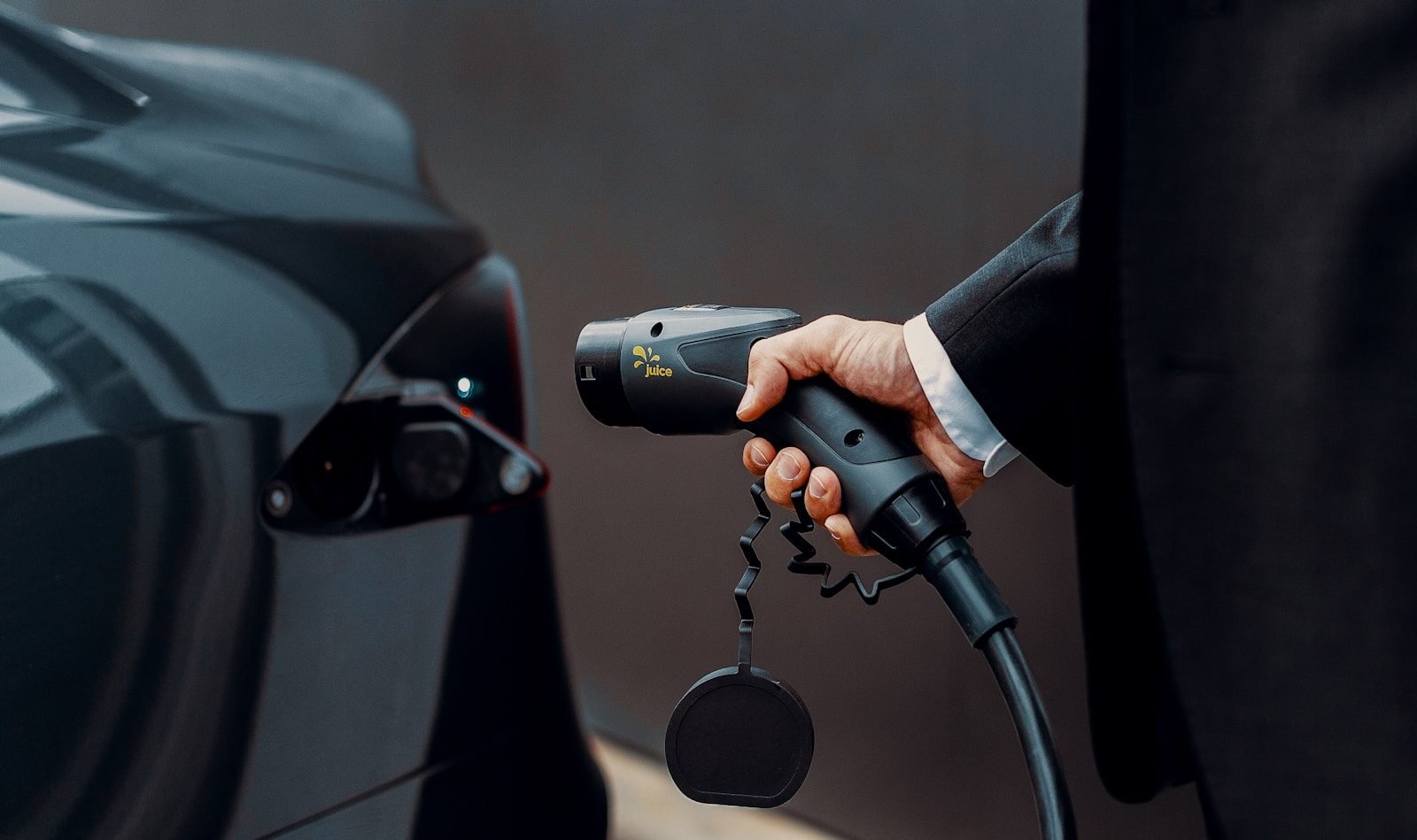
The J1772 connector is the round, pistol-grip shaped plug you see on every Level 1 and Level 2 charging cable. It has a distinctive shape with a latch mechanism that locks it into the vehicle’s charge port until released by pressing the latch button. This prevents accidental disconnection during charging and ensures a safe, secure connection.
How the J1772 Connector Works
The J1772 connector contains five pins, each serving a specific function in the charging communication system:
J1772 Pin Layout
The Control Pilot pin is the key to smart charging. The charger sends a PWM (pulse-width modulated) signal through this pin that encodes the maximum available current. The vehicle reads this signal and responds by requesting power at its preferred rate — up to the advertised maximum. This handshake happens before any power flows, ensuring the vehicle never receives more current than it requests.
The Proximity Pilot pin prevents a safety hazard unique to EVs: driving away while still plugged in. When the connector is inserted, this pin signals the vehicle’s systems to disable the drive motors. Only after the connector is unlatched does the vehicle permit propulsion.
J1772 Electrical Specifications
| Specification | Level 1 | Level 2 |
|---|---|---|
| Voltage | 120V AC | 208–240V AC |
| Maximum current | 16A continuous | 80A continuous |
| Maximum power | 1.92 kW | 19.2 kW |
| Connector size | Identical — same physical connector for both levels | |
| Communication protocol | PWM signal on Control Pilot pin | |
| Connector temperature rating | -40°C to +50°C | |
The J1772 connector is physically identical for Level 1 and Level 2 charging — the same plug handles both. The difference is in the charger supplying the power: Level 1 chargers supply 120V, Level 2 chargers supply 240V. The vehicle detects which it is receiving through the Control Pilot signal.
Which Vehicles Use J1772?
Every non-Tesla electric vehicle sold in North America uses a J1772 charge port for AC home charging. This covers every plug-in hybrid and battery-electric vehicle from every major manufacturer:
Tesla vehicles use the NACS (North American Charging Standard) connector but include a J1772 to NACS adapter with every vehicle sold in North America. This makes Tesla fully compatible with every J1772 Level 2 charger without any modification. For full details, see our Tesla J1772 charging guide.
J1772 vs NACS vs CCS: Sorting Out the Standards
Three connector standards are relevant for North American EV owners:
- J1772: The AC charging standard for Level 1 and Level 2. Used by all non-Tesla EVs for home and public AC charging. The connector on every ShockFlo charger.
- NACS (North American Charging Standard): Tesla’s proprietary connector, now adopted by Ford, GM, Rivian, and others for new models. Handles both AC and DC charging. Requires a J1772 adapter when using J1772 infrastructure.
- CCS1 (Combined Charging System): Extends the J1772 connector with two additional DC pins below it. Used for DC fast charging (Level 3) on non-Tesla EVs. The DC pins are not present on standard J1772 Level 2 chargers.
For home Level 2 charging, J1772 remains the universal standard in 2026. All ShockFlo chargers use the J1772 connector and are compatible with every EV sold in North America.
ShockFlo G1 40A — Universal J1772 Compatibility
Works with every J1772 EV. Compatible with Tesla via the included factory adapter.
Conclusion
The J1772 connector is the universal language of home EV charging in North America. Any vehicle with a J1772 charge port — and that covers every non-Tesla EV sold here, plus Tesla with the included adapter — works with any J1772 Level 2 charger. All ShockFlo models use J1772, making them compatible with every EV on the market today. Explore our full lineup at portable EV chargers and home EV chargers.
Frequently Asked Questions
Will J1772 become obsolete as NACS grows?
Not in the short to medium term. While NACS is being adopted by major manufacturers for new models, hundreds of millions of existing J1772-compatible vehicles will be on the road for years. J1772 charging infrastructure remains the dominant standard for home Level 2 charging, and all new EVs sold in North America include a NACS-to-J1772 adapter for backward compatibility.
Can I use a J1772 charger for DC fast charging?
No. J1772 is an AC charging standard limited to Level 1 and Level 2 speeds. DC fast charging (Level 3) requires CCS1, NACS, or CHAdeMO connectors — none of which are related to J1772. ShockFlo chargers are J1772 Level 2 units only.
Is the J1772 connector safe to use in rain?
Yes, when the charger is rated for outdoor use. The J1772 standard includes requirements for weatherproof operation. The ShockFlo G1’s IP65 rating covers the connector and cable junction. You can plug in and begin charging in rain without safety concerns.