

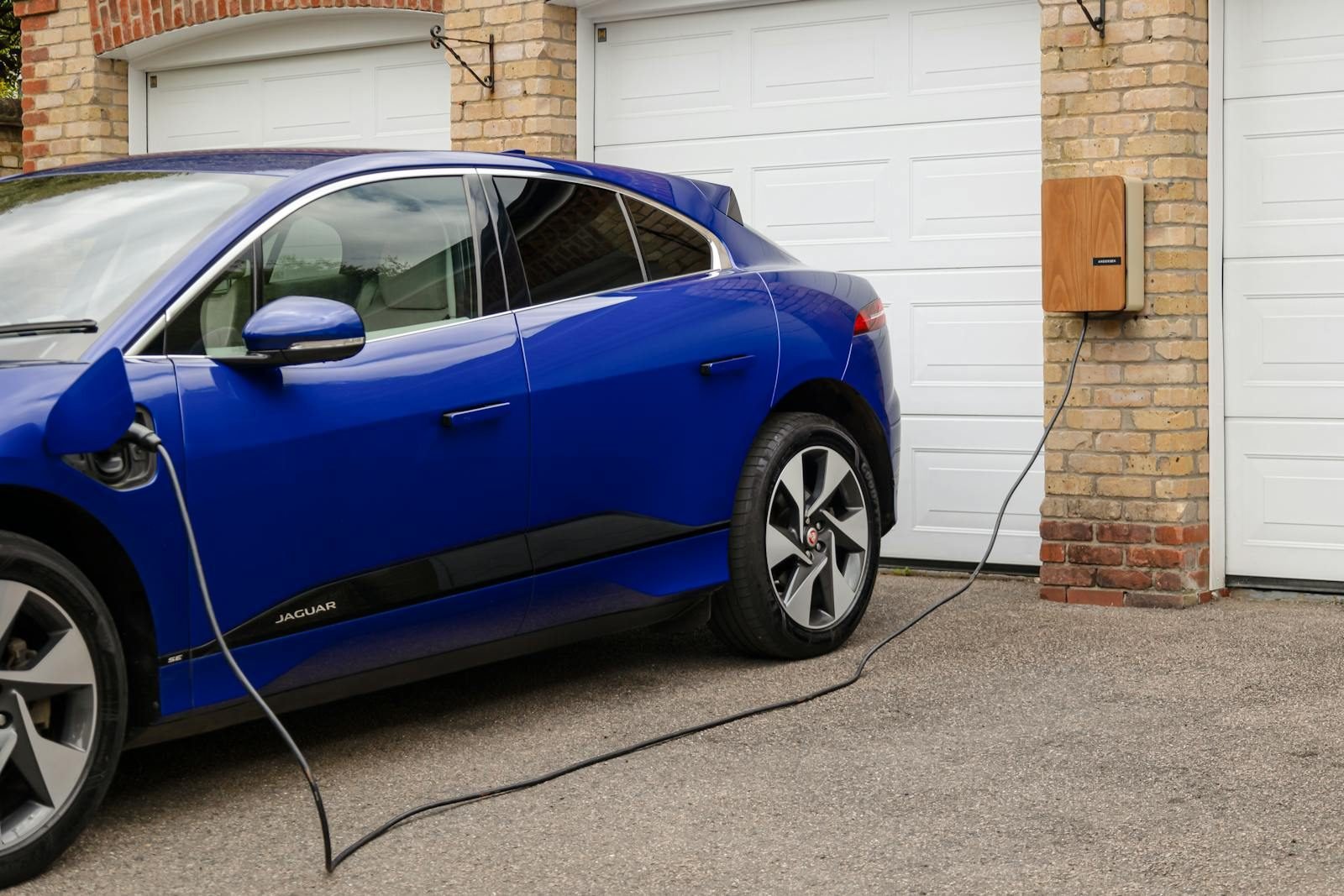
How Long Does an EV Charger Last? Maintenance Tips to Extend Its Life
An EV charger is a long-term infrastructure investment — the equivalent of a home appliance that operates every day for years. Like any electrical equipment, longevity depends on build quality, installation conditions, and how the unit is used and maintained. A well-built charger in a properly installed environment should serve a decade or more without issue. Here is what determines lifespan and what you can do to protect it.
Expected Lifespan of a Level 2 EV Charger
Quality Level 2 EV chargers are designed for seven to ten years of reliable residential operation, with many units lasting significantly longer when properly installed and maintained. The components most subject to wear are the charging cable and connector — which experience mechanical stress from daily plugging and unplugging — rather than the electronic components in the charger body itself.
Connector and cable wear are the most common reasons for charger replacement or service. The electronic components — the control board, contactor, and protection circuits — are generally robust and rarely fail in normal residential operation when the charger is properly rated for its circuit.
Factors That Affect Charger Longevity
Operating Conditions
Chargers installed in climate-controlled garages experience less thermal cycling stress than those installed outdoors in regions with extreme temperature swings. UV exposure degrades cable insulation and plastic housing over time. Moisture — while protected against by IP ratings — still introduces corrosion risk at connector contacts and outlet connections over many years.
An IP65-rated charger installed in a sheltered outdoor location, under a carport or overhang, will generally outlast the same unit installed in direct sun and rain exposure, even though both are within the IP65 specification.
Connector Cycles
The J1772 connector is rated for thousands of connection cycles. For a daily-use charger plugging and unplugging once per day, this translates to years of reliable service before wear becomes an issue. Rough handling — forcing the connector, allowing it to drop repeatedly, or storing it without the protective cap — accelerates wear significantly faster than gentle daily use.
Circuit Conditions
A charger operating on a properly sized, dedicated circuit with stable voltage experiences far less internal stress than one on a marginal circuit with frequent voltage fluctuations or nuisance breaker trips. Running a charger on a shared circuit that regularly trips the breaker causes repeated thermal and electrical stress on the contactor and control board.
Daily Maintenance Habits That Extend Charger Life
Use the Rubber Connector Cap
Every ShockFlo G1 ships with a rubber cap for the J1772 connector. Replace it every time the connector is not in use. It prevents dust, moisture, and insects from entering the connector pins — the most common cause of contact degradation over time.
Coil the Cable Without Sharp Bends
Cable insulation cracks at repeated sharp bends over time. Coil the cable in loose, large-radius loops rather than tight, sharp bends. Hang the coil on the wall bracket rather than allowing it to rest on the floor where it may be driven over or stepped on.
Inspect Connector Pins Quarterly
Every few months, examine the J1772 connector pins with a flashlight. Corrosion appears as discoloration or pitting on the metal contacts. Minor surface tarnish can be addressed with a dry contact cleaner. Significant corrosion warrants professional inspection.
Keep the Outlet Connection Tight
The NEMA 14-50 outlet connection can loosen over years of thermal cycling. If you notice any heat, discoloration, or burning smell at the outlet, have an electrician inspect and re-torque the connection. A loose outlet connection causes resistance heating that damages both the outlet and the plug.
Allow Airflow Around the Charger
Do not stack items against or on top of the mounted charger. The charger body dissipates heat through its surface during operation. Obstructing airflow raises internal temperature and accelerates component aging in the power electronics.
Update Firmware Promptly
ShockFlo delivers firmware updates over Wi-Fi that address software bugs, improve charging compatibility, and occasionally enhance safety monitoring functions. Keeping firmware current ensures the charger operates with the latest optimizations and protections.
Warning Signs That Warrant Attention
Contact a technician or ShockFlo support if you notice:
- Any burning smell from the charger body, cable, or outlet during operation
- Visible discoloration or charring on the connector, cable, or outlet face
- The outlet feels warm to the touch after a charging session (mild warmth is normal; hot is not)
- The charger repeatedly trips the circuit breaker under normal conditions
- Error codes appearing on the LCD that do not resolve after restarting the charger
- Charging sessions completing well below the expected charge level without explanation
- Physical damage to the cable insulation — cuts, abrasions, or visible wire
ShockFlo Warranty and Support
All ShockFlo chargers — the Gmini 16A, G1 40A, and S1 48A — carry a two-year manufacturer warranty covering defects in materials and workmanship. Beyond the warranty period, ShockFlo’s technical support team provides lifetime remote assistance for troubleshooting, app issues, and configuration questions.
For warranty claims or technical support, contact ShockFlo at service@aqua-hedgehog-248916.hostingersite.com or by phone at 1-833-499-0559. Including your purchase date, order number, and a description of the issue when contacting support ensures the fastest possible resolution.
ShockFlo G1 40A — 2-Year Warranty
Lifetime technical support included. Ships free from the US and Germany.
Conclusion
A well-built Level 2 EV charger installed correctly and maintained with basic care should serve reliably for seven to ten years or more. The practices that most extend charger life — using the connector cap, coiling the cable correctly, keeping the outlet connection tight, and updating firmware — require less than five minutes of attention per month. For a full review of ShockFlo charger performance over time, see our ShockFlo charger review. Explore the full lineup at portable EV chargers.
Frequently Asked Questions
Can I replace just the cable if it wears out?
On hardwired chargers, cable replacement is a professional service. On portable chargers like the ShockFlo G1, the cable is integrated into the unit — the full charger would be replaced rather than just the cable. Contact ShockFlo support to discuss replacement options within and outside the warranty period.
Does outdoor installation shorten charger life?
Outdoor installation does expose the charger to more environmental stress — UV, temperature cycling, and moisture — than a climate-controlled garage. However, an IP65-rated charger installed properly under a sheltered overhang, with weatherproof outlet covers and conduit, will still achieve seven or more years of service in most climates.
What should I do before going on a long trip and leaving the charger unused?
If you will be away for more than a few weeks, consider turning off the charger circuit at the breaker — this prevents any passive power draw and eliminates any risk from surge events during your absence. Replace the connector cap, coil and hang the cable properly, and confirm the app’s charging schedule is suspended for the period you will be away.